Hello World!
CORE HANDLING AND POST-TREATMENT: BEST PRACTICES FOR FOUNDRIES.
Effective handling and post-treatment of core boxes are essential steps in maintaining core quality and reducing damage during storage, transport, and finishing. Improper handling and storage can lead to deformations, cracks, and surface damage, impacting the functionality and durability of cores used in casting processes.
In this blog, we’ll discuss the most common issues foundries encounter in core box handling and post-treatment and provide best practices to ensure core quality and longevity.
Common Core Handling Issues.
Proper handling during storage and transportation is crucial to prevent core damage. Some common issues include:
1.Deformations and Cracks: Cores are often subject to physical stress when they are not adequately supported. Using unsuitable or unsprung core racks or moving
cores too roughly can lead to deformations and cracks, compromising the structural integrity of the core and leading to defects in the final cast product.
2.Surface Damage: Core surface smoothness is key for a successful casting process, as it directly affects the quality of the casting’s finish. Damage can occur during
handling, such as excessive or improper deburring, which creates uneven surfaces and compromises the smoothness needed for effective casting.
Best Practices for Core Box Handling.
To minimise handling-related issues, foundries can implement the following practices:
1.Use of Appropriate Core Racks: Ensure cores are stored in correctly sized, well-supported racks to prevent movement that can lead to deformation. Unsprung
racks, for example, provide stability and absorb minor shocks during transport, which helps to maintain core shape.
2.Careful Transport Procedures: Avoid rough handling during transport, whether within the foundry or between workstations. Mechanical conveyors or cushioned
racks can help ensure smooth movement without excessive vibration, reducing the risk of cracks or breaks.
3.Controlled Deburring Process: Deburring is a vital step in core finishing, but over-deburring can damage the surface of the core and create an uneven finish. Use
controlled deburring techniques and tools to minimize surface imperfections and maintain core integrity.
Importance of Proper Storage.
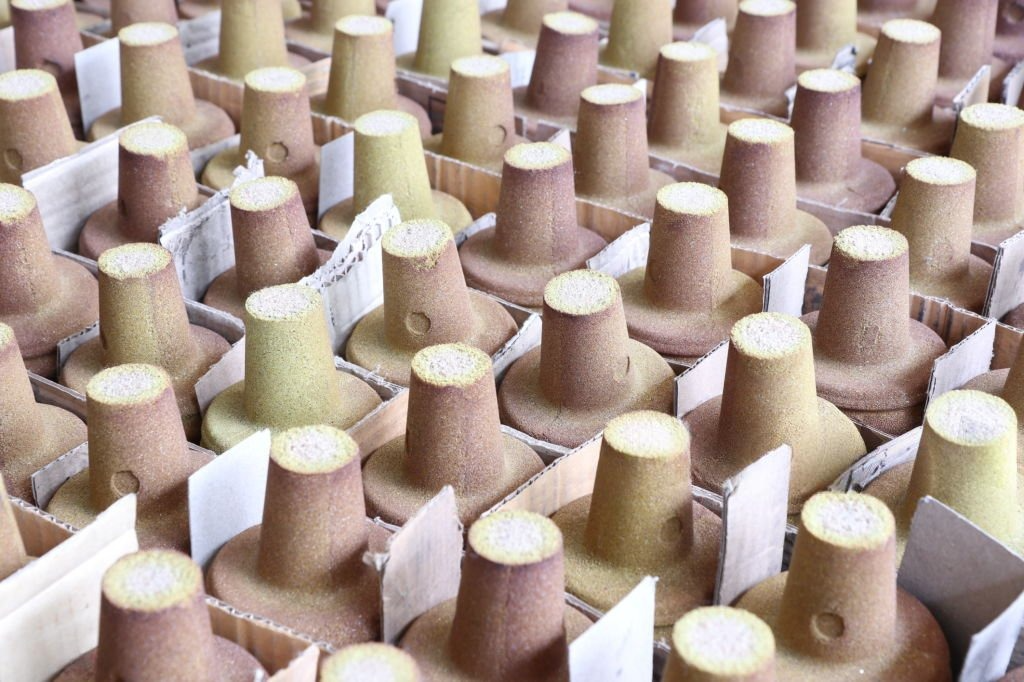
Improper storage is a leading cause of core deformation and cracking, as cores left unsupported or stored at improper angles are more likely to develop structural weaknesses. When cores are not adequately secured, they may experience stresses that lead to shape changes or structural compromises over time.
Best Storage Practices:
Organised Core Racks: Store cores in well-designed racks that fit core dimensions and provide full support. Organize racks to minimise any leaning or angle that
could lead to deformation.
Stable Environment: Ensure the storage area is free from vibrations and excessive movement that could disturb core stability.
Core Post-Treatment Techniques.
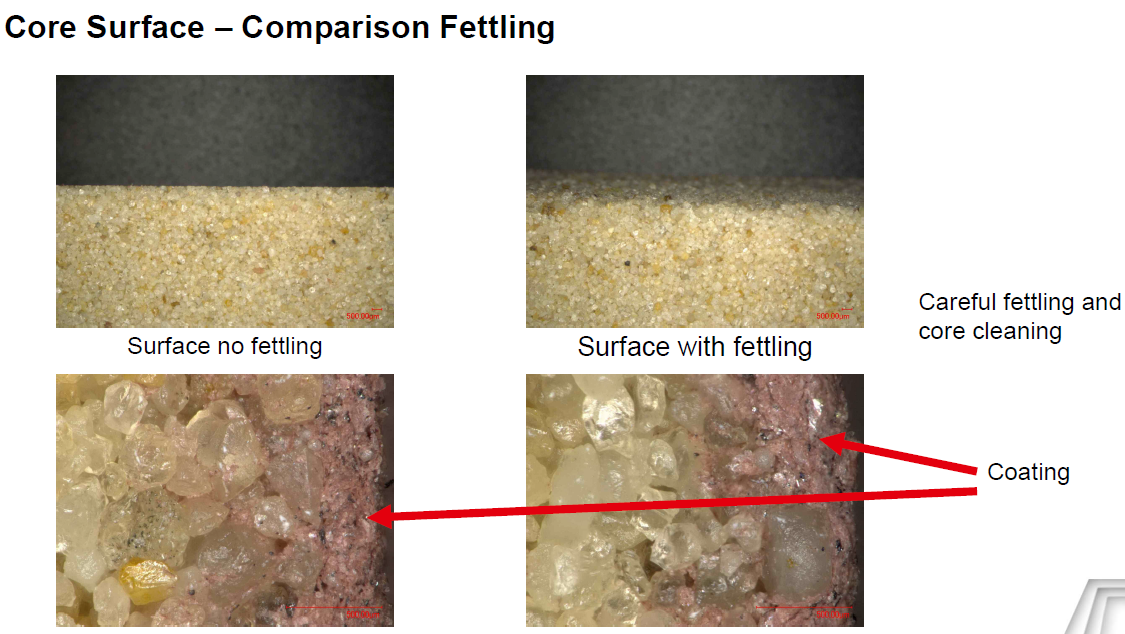
Once cores are properly stored and transported, the next step is the post-treatment process, which includes deburring and surface refinement. A smooth, defect-free surface is critical for a quality casting, as imperfections in the core can be transferred to the cast metal.
1.Controlled Deburring: Use tools designed for minimal abrasion and smooth results. Manual deburring tools or specialized machines can provide effective results without excessive surface damage.
2.Surface Inspection: Conduct a thorough inspection of the core surface after deburring. Look for uneven surfaces, chips, or abrasions that may affect the core’s performance. Regular inspections allow for early detection of issues, helping to maintain quality throughout production.
3.Protective Measures: In some cases, a light protective coating can help maintain core surface integrity, especially during longer storage times or when cores are transported between locations.
Final thoughts.
Proper handling, storage, and post-treatment of cores are essential for producing high-quality cast parts. By focusing on appropriate core rack use, careful transport methods, and controlled deburring, foundries can significantly reduce the likelihood of core damage, deformations, and surface imperfections. Implementing these best practices ensures that cores retain their structural integrity and finish, leading to more reliable casting results and reduced production costs over time.